


For adults over 55, receiving a diagnosis of dry age-related macular degeneration (dry AMD) can be unsettling. In many cases, the initial recommendation is to monitor the condition, attend regular eye examinations, and make healthy lifestyle changes. However, as the disease progresses, damage to the macula can lead to permanent central vision loss. Once this damage occurs, restoring the lost vision becomes difficult. Hence, timely treatment for dry AMD is a necessity.
Why dry AMD needs attention before vision loss progresses
Dry AMD affects the macula, a small but essential part of the retina responsible for central vision. This area allows people to see fine details, read printed words, recognize faces, and perform tasks that require clear eyesight. As dry AMD develops, the cells and supporting structures within the macula gradually deteriorate. Consequently, activities that once seemed effortless may become increasingly challenging. Reading a book, identifying road signs, looking at a phone screen, or recognizing a family member from across a room may require greater effort. Seeking timely treatment for dry AMD can help individuals avoid such issues.
One of the characteristic features of dry AMD is the accumulation of drusen, which are small deposits beneath the retina. Their presence can indicate changes associated with macular degeneration. As the condition progresses, patients may experience blurred central vision, difficulty distinguishing details, and reduced contrast sensitivity. These changes can become particularly noticeable in dimly lit environments. Unlike some other eye conditions, dry AMD generally does not eliminate peripheral vision. Nevertheless, advanced disease can cause significant central vision impairment, affecting independence and quality of life. Since central vision plays such an important role in reading, driving, and recognizing familiar faces, protecting its remaining function deserves serious attention.
Dry AMD becomes more common with age, particularly after 55. However, not everyone faces the same level of risk. People with a family history of AMD may have a greater likelihood of developing the condition. Smoking can further increase that risk, making preventive care particularly important for current smokers and people who have smoked previously. Anyone with these risk factors should discuss an appropriate eye examination schedule with an eye care professional, even if their vision seems normal.
Patients already diagnosed with dry AMD should also attend follow-up appointments as recommended. Regular monitoring helps identify changes in the retina and allows the care plan to be adjusted when necessary. Sudden changes in vision, newly distorted straight lines, or a rapid decline in central sight warrant prompt assessment. Although dry AMD often progresses gradually, new symptoms may indicate a change in the condition or another eye problem requiring attention.
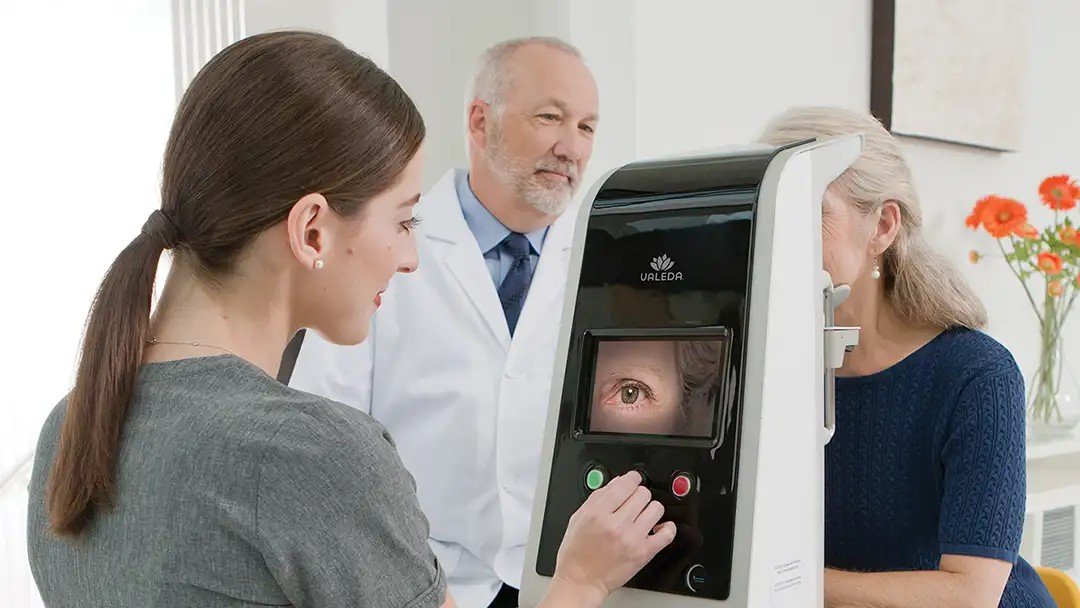
Research into dry AMD continues to explore ways to support retinal function and improve patients’ visual experiences. Some newer approaches focus on non-invasive stimulation techniques rather than relying exclusively on observation and lifestyle recommendations. One such approach uses low-level micro-current delivered through closed eyelids during an in-office session. The procedure is designed to stimulate tissues associated with visual function without using needles, lasers, or surgery. Depending on the device and protocol, a session may last approximately 30 minutes.
